Do you have to take psychedelics to practice shamanism?
No, you don’t have to take psychedelics to practice shamanism.
In fact, most shamanic traditions around the world do NOT use psychedelics. Instead, most use drumming, rattling or a similarly repetitive, high-speed sound to alter their state of consciousness and connect with spirits. This is also true of modern shamanic practitioners.
So why are psychedelics commonly believed to be part of shamanism?
And what do you need to know about psychedelics if you’re thinking about receiving shamanic work or exploring shamanism yourself?
In this article, I’ll answer these questions so you can make more informed decisions around psychedelics.
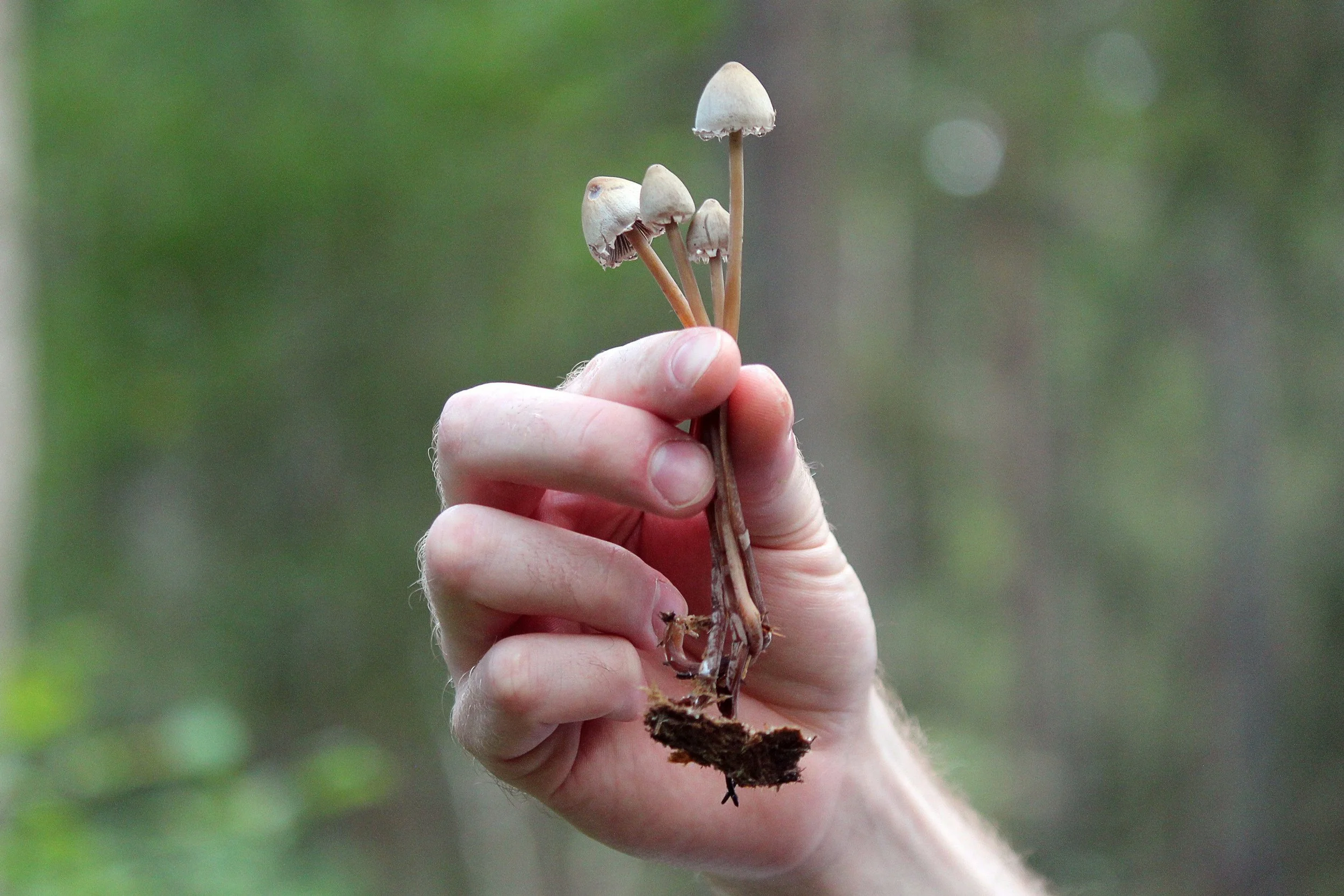
The big disclaimer
This article is for educational purposes only.
I’m not a lawyer, doctor or a therapist trained in psychedelic-assisted treatments. If you’re curious about using psychedelics, I recommend you speak to all three of these experts before deciding.
As you’ll see, my advice is to avoid psychedelics. I hope this information gives you a useful perspective on this topic. Regardless, please don’t break your local laws or put yourself or others in danger.
Why is shamanism associated with psychedelics?
Unfortunately, when many people hear about shamanism, they assume it involves taking psychoactive drugs like ayahuasca, peyote, and psilocybin. When people learn that I practice shamanism, their first question is usually, “so…do you use psychedelics?”
No, I don’t.
But I think there are a few reasons why this association is so common:
The American psychedelic movement started in the 1950s and really took off in the 1960s. During this time, some anthropologists noticed that the shamanic cultures they were studying used psychedelics. These stories — and sometimes these plants — made it back to America and resonated with an audience already interested in this topic.
The most popular stories about shamanism are from Carlos Castenada, about a shaman who uses psychedelics. The most popular of these were written in the late 60s. Castenada’s shaman hero, Don Juan, became the model for what a shaman is. Even though the truthfulness of Castenada’s account is hotly contested and his works have shifted from cultural best-sellers to niche classics, the archetype he created still lingers.
It took many years for researchers to figure out that (a) there was more to shamanism than “having a trip” and (b) there were many shamanic cultures that didn’t use any psychedelics. But these insights only happened after “shamans” and “psychedelics” were linked in the American zeitgeist.
In popular culture, we have a frame of reference for being on a drug trip, even if we’ve never used psychedelics ourselves. But we have little to no frame of reference for what having a shamanic experience is like. So most people just assume they’re similar.
Also, psychedelics and shamanism are not mainstream practices, so most people don’t have personal experience with either — and don’t know people who have. (This is starting to change as more and more people explore both.)
Bottom line, these two ideas are often linked — largely erroneously — so people new to shamanism assume psychedelics must be involved somehow. But practicing shamanism with psychedelics is the exception, not the rule.
Three problems with psychedelics
If you are considering using psychedelics as part of a shamanic practice, there are few things you should consider.
1. Modern psychedelic use and traditional, indigenous psychedelic use are not the same
They way most modern, western people use psychedelics is very different than how they were used in traditional, indigenous cultures. And the differences matter:
Sourcing: Most people have no idea where their psychedelics come from, how they were grown, if they’re high-quality, or what has been done to them between harvesting and use. Traditional cultures would know all of this information and could vouch for the health of the plants used and the surrounding land.
Preparation: Most people do not have deep knowledge about how to prepare specific psychedelics for different uses. There’s often a real sense of “let’s try this and see what happens?” Traditional cultures were very careful about how their psychedelics were prepared. And many of them were not taken in isolation but prepared in connection with numerous other local plants that they also had a deep knowledge of.
Guidance: Most people do not take psychedelics in the presence of an trustworthy expert very familiar with psychedelic-assisted shamanism, let alone the support of their community. Traditional cultures used psychedelics in ceremonies guided by spiritual leaders and supported by the community.
Context: Most people try psychedelics with little-to-no context for what might happen or what it means. Traditional cultures that use psychedelics have thousands of years of cultural context around not just the psychedelics, but everything else in the ceremony and location.
Follow-up: Most people who take psychedelics have no plan, toolkit, support network, or understanding of how to process their experience. This is why for many, taking psychedelics is just a wacky experience and not an effective means for soul growth. Traditional cultures, on the other hand, don’t use psychedelics for recreation or in isolation. It is part of a larger ceremonial process for healing or growth.
Altogether, what this means is that most people who try psychedelics are likely not having a similar experience to what traditional, indigenous people would have in ceremony.
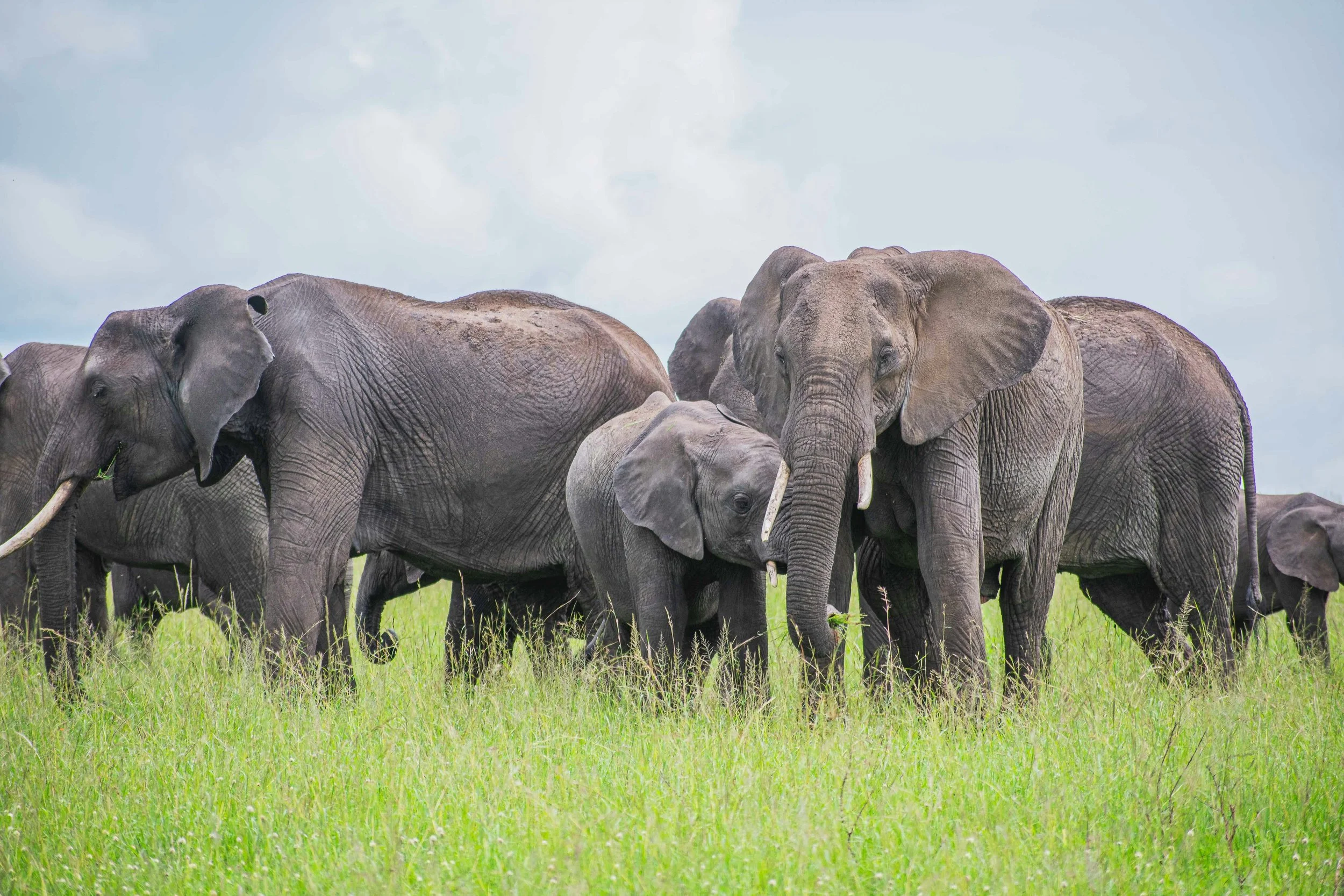
Community support and ceremonial context are important parts of traditional psychedelic use
2. Finding a trustworthy provider is not easy
Another point worth mentioning is that most people not only don’t have a trustworthy source for properly and traditionally sourced, prepared and administered psychedelics, but they also don’t have a reliable way to find someone who can help.
Traveling to Central or South America and/or meeting someone who claims to be a shaman trained in psychedelics isn’t fool-proof. With the rise of psychedelic-focused tourism, there’s also been a rise in locals claiming to be experts in this area. I’m not saying this to insult the locals or any traditions. I’m merely pointing out that most outsiders don’t have the experience to adequately vet the legitimacy of these claims.
3. Psychedelic-assisted journeys are usually Middle World trips without protection
If you do have a shamanic experience while using psychedelics, it is almost certainly a Middle World journey. And you’ll likely be doing it:
Without your helping spirits for guidance and protection
Without the ability to stop it early if something dangerous, scary, or unwanted happens
That could go fine. It could also go poorly.
But it is riskier than doing shamanic journeys with drumming or rattles as your means of altering your consciousness.
Is it OK to take psychedelics to have a spiritual experience?
As I said, I’m not a lawyer, doctor or a therapist trained in psychedelic-assisted treatments. But what I can say, as a shamanic practitioner who has not taken psychedelics, is that psychedelics are not necessary in order to have deep, healing and meaningful spiritual experiences.
And if psychedelics aren’t necessary… and if plenty of advanced shamans and shamanic practitioners have achieved their degrees of skill and power without psychedelics… then why bother using psychedelics at all?
Do you think psychedelics are a shortcut?
Is a spiritual awakening something that can or should be short-cutted?
What types of personal healing or soul work are you avoiding by searching for shortcuts?
Big questions.
You are, of course, free to make your own decisions.
Next steps
Two articles you might be interested in:
“What is shamanism?” (Learn about the core principles of shamanism)
“Is shamanism safe?” (Learn how to stay safe as a shamanic healing client and as a practitioner)
If you have any questions, you can reach out to me here.
Thanks for reading!