What is shamanism?
Shamanism is an ancient spiritual practice focused on healing, divination and wisdom.
And a shaman — or shamanic practitioner — is someone who intentionally enters an altered state of consciousness to enlist the support of spirits in healing someone, answering a question, or helping the community.
While cultures all over the globe have developed beautifully diverse shamanic practices, many of the core principles and techniques of shamanism are remarkably similar worldwide.
If you understand these fundamentals, you’ll have a solid foundation for exploring shamanism, either as a client or as a practitioner. In this article, I’ll walk you through the nine core principles of shamanism.
Let’s get started!
Principle 1: Spirits are real
First, what are spirits?
Let’s start with a helpful primer from Christina Pratt’s Encyclopedia of Shamanism:
In shamanic thinking, spirit sometimes seems better translated as the essence of something — what makes an animal an animal, or a drum a drum. At other times spirit can be better translated to mean the consciousness of something, like tree consciousness or rocks consciousness, since everything can have a consciousness similar to our own in the shaman’s worldview.
Spirit is experienced by shamans in three general ways. It refers to the human spirit, like that of the shaman or the client. It refers to the beings who populate the invisible world who are capable of taking actions that affect humans and other things in the physical world. Spirit also refers to a Divine Spirit, the Spirit of the Cosmos through which the shaman feels a connection-to-all-things.
As you can see, the word “spirit” can have different meanings depending on the context. At its most fundamental level, though, spirit refers to a non-physical life-force. This could be the spirit of a person, an animal, a tree, a mountain, a house, a community, a planet, the whole universe, an entity without a physical existence, and much more.
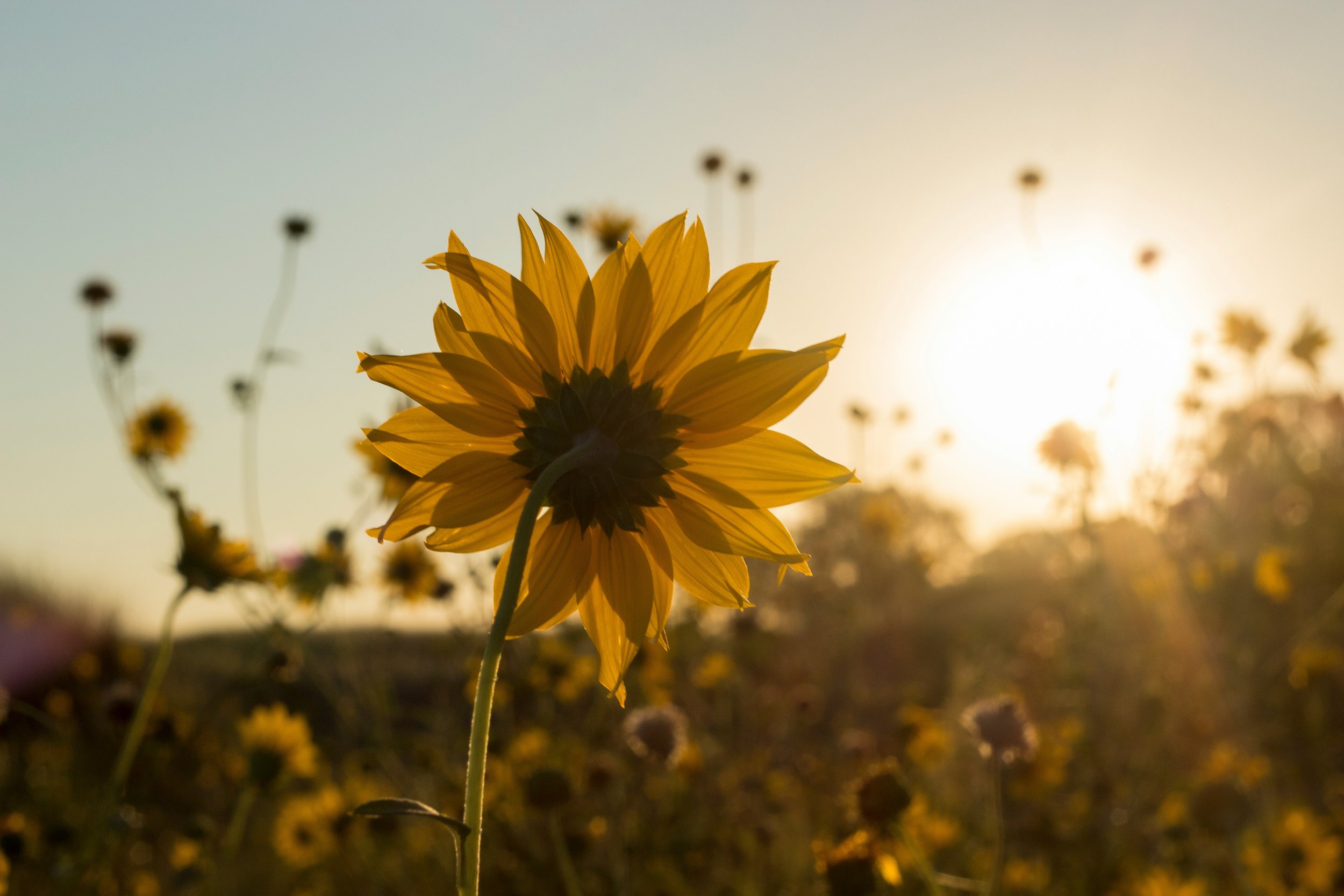
Spirits exist all around us.
While psychology loves to debate the line between a human’s psyche and spirit, shamanism is not particularly interested in this delineation.
For shamans, it’s simple: spirits are real.
How do they know? Because they interact with spirits all the time.
Here’s Michael Harner on seeing spirits from Cave and Cosmos:
Shamans differ from those who believe in spirits, because they know from firsthand experience that spirits exist. They see the spirits, touch them, hear them, smell them, and converse with them. This is why in many tribal societies around the world, the shaman is referred to not only as “one who sees” but also “one who knows,” or as a “person of knowledge.”
Shamans no less believe spirits exist than you believe your family, friends, and acquaintances exist. You know your family, friends, and acquaintances exist because you talk and otherwise interact with them daily. Similarly, shamans know spirits exist because they interact with them daily or, more often, nightly, for it is usually easier to see spirits in darkness….
In shamanism, “seeing” also involves seeing with the heart, or knowing in your heart that what you are perceiving is truth. This emotional certainty is fundamental to the experience of direct revelation and is one of the features that usually characterize shamanic seeing.
One of the surprising joys of shamanism is that, once you understand the basics, it really is quite pragmatic and open.
Shamanism isn’t about faith or theory. With all of these principles, you don’t have to take anyone’s word as fact. You can learn how to journey and find out for yourself what is true and false.
Principle 2: Everything is alive
Not only are spirits real, but everything has spirit. Everything is alive and conscious. The technical term for this is animism. It’s the flip-side of the first principle of shamanism.
While something’s consciousness might be different than ours, that doesn’t mean that it’s not conscious or alive. Everything is alive with spirit.

Everything is conscious.
Here’s Nicholas Breeze Wood on animism in Walking with the Tiger:
Animism is the understanding that all things around us — seen and unseen — are alive and with a spirit, from a flower to a star, from a concept to a cyclone and from a microbe to a mountain.
An animist sees the whole interconnected web of creation as being sentient and full of life and spirit, and it is the very opposite of our Western culture’s prevailing “Dead-Matter-Thinking.” Every single culture on earth has been animistic at some point in its history, and of course those cultures who still live close to the land and hold to their traditions — such as the world’s tribal cultures — generally continue to have an animistic worldview at their core.
Animism can be, at its most simplistic, the holding of the awareness that everything is alive and sentient.
Again, with shamanism, you don’t have to take someone’s word that everything is alive. You can take a shamanic journey to the spirit of anything and find out for yourself.
(Note that animism is a larger category than shamanism. While shamanism is animistic, there are other animistic practices that aren’t part of shamanism. Those practices are outside the scope of this article though.)
Principle 3: You can interact with spirits via altered states of consciousness
Another key aspect of shamanism is the shifting of one’s mental state out of an ordinary, everyday state of consciousness into an altered state of consciousness. This is sometimes called a shamanic trance.
Only a small minority of shamanic cultures use psychedelics to reach a shamanic trance. The vast majority of cultures — and shamanic practitioners — use drumming, rattling or similarly repetitive percussive sounds.
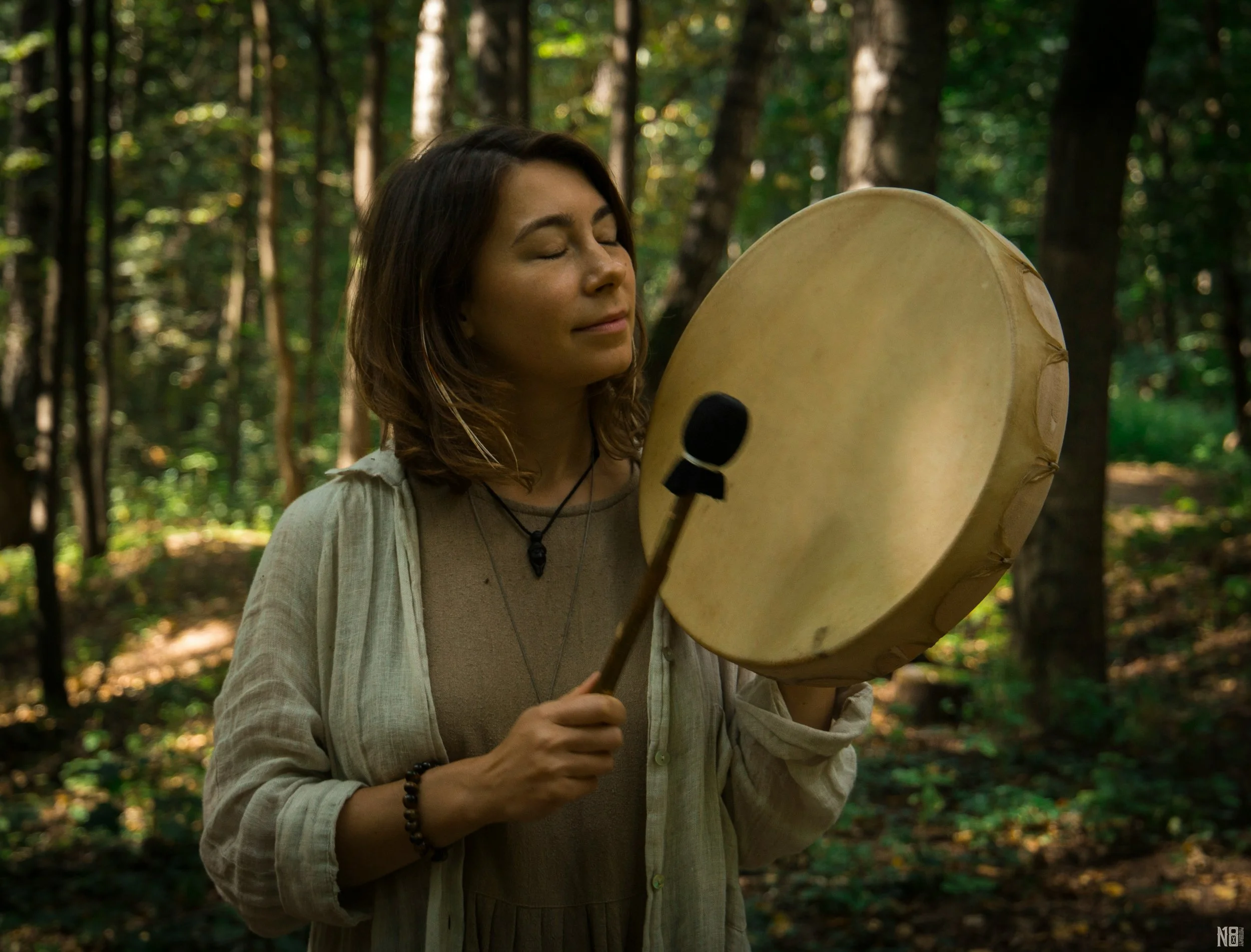
Drumming is a popular technique for entering a shamanic trance.
Along with percussion, different cultures might also use fasting, sleep deprivation, repetitive actions, pain, chanting, dancing, seclusion and other techniques to heighten or induce a trance state. Shamans are experts at intentionally shifting into and out of altered states.
This shamanic trance is critical for both interacting with spirits and going on shamanic journeys.
Principle 4: The spiritual realms are much more vast than the physical universe
Once a shamanic practitioner learns how to enter shamanic trance, they can begin exploring the spirit world via shamanic journeying. Shamans understand this involves a part of their soul (or spirit) leaving their physical body and traveling around. This is why a shamanic journey is sometimes called a “spirit flight.”
While every culture has its own spiritual cosmography, again, there are great similarities around the world.
The spiritual realms are massive. Much larger than the observable universe. This is because in addition to everything physical also having spirit, there are many spiritual places and beings with no physical counterparts. They are purely spirit.
The spiritual realms exist outside space and time. Because spirit has no matter, it is not subject to the laws of physics as we understand them. For example, if you wish to visit a location on the far side of the planet in a shamanic journey, you can arrive there instantaneously. Travel time is not required. (This is one reason why shamanic healings can be done remotely.)

Most shamanic traditions recognize three different spiritual realms.
Additionally, most shamanic cultures recognize three major areas in the spiritual realms. The modern, Western terms for these are Upper World, Middle World and Lower World.
Here’s Paul Francis explaining the three realms in The Shamanic Journey:
We usually experience the realms as being organized spatially, with the upper-world being above us, the lower-world below us, and the middle-world being this world that we live in (and some more besides).
The three realms are quite different to each other. Each realm has distinct qualities, and different “inhabitants”. Each realm needs a different set of skills from the journeyer, and a different awareness and approach. So, learning to journey involves learning to recognize the feel of each realm, and knowing what signs to look for, in order to know which realm you are in at any given point in the journey.
Principle 5: Your physical, mental and emotional health are impacted by your spiritual health
Shamanic cultures recognize that not only do you have a spirit, but that your spirit can be healthy or unhealthy.
A healthy spirit is one that is power-filled and whole.
An unhealthy spirit is one that is power-drained and/or missing parts of itself.
Because your spirit is the foundation for your body, when it is power-drained or missing parts of itself, this can lead to physical, mental or emotional illnesses. It can also make recovery from injuries more difficult.
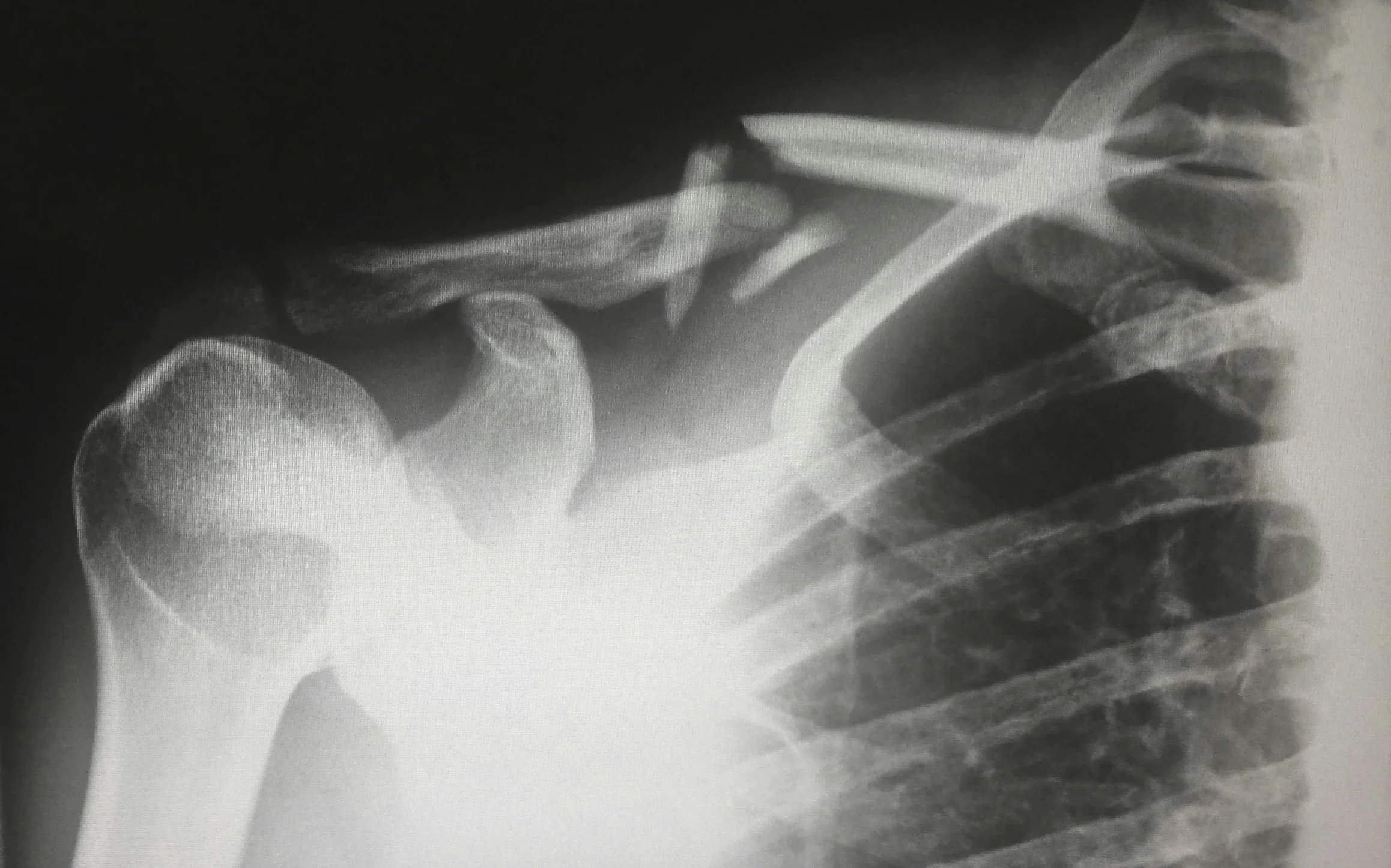
Spiritual injuries and depletions can impact your health.
On the flip-side, when your spiritual health is strong, you are more resilient against things that would otherwise negatively impact your physical, mental and emotional health.
Principle 6: You can seek out helping spirits for healing or answers to questions
So what do shamans do on a shamanic journey?
The two most common activities are shamanic healing and divination. In both cases, the shaman enters a shamanic trance and seeks out the support of helpful spirits with whom they have developed a close working relationship.
These helping spirits can take many forms and are referred to by many different terms. “Power animal” and “guardian spirit” are two common names for helping spirits.
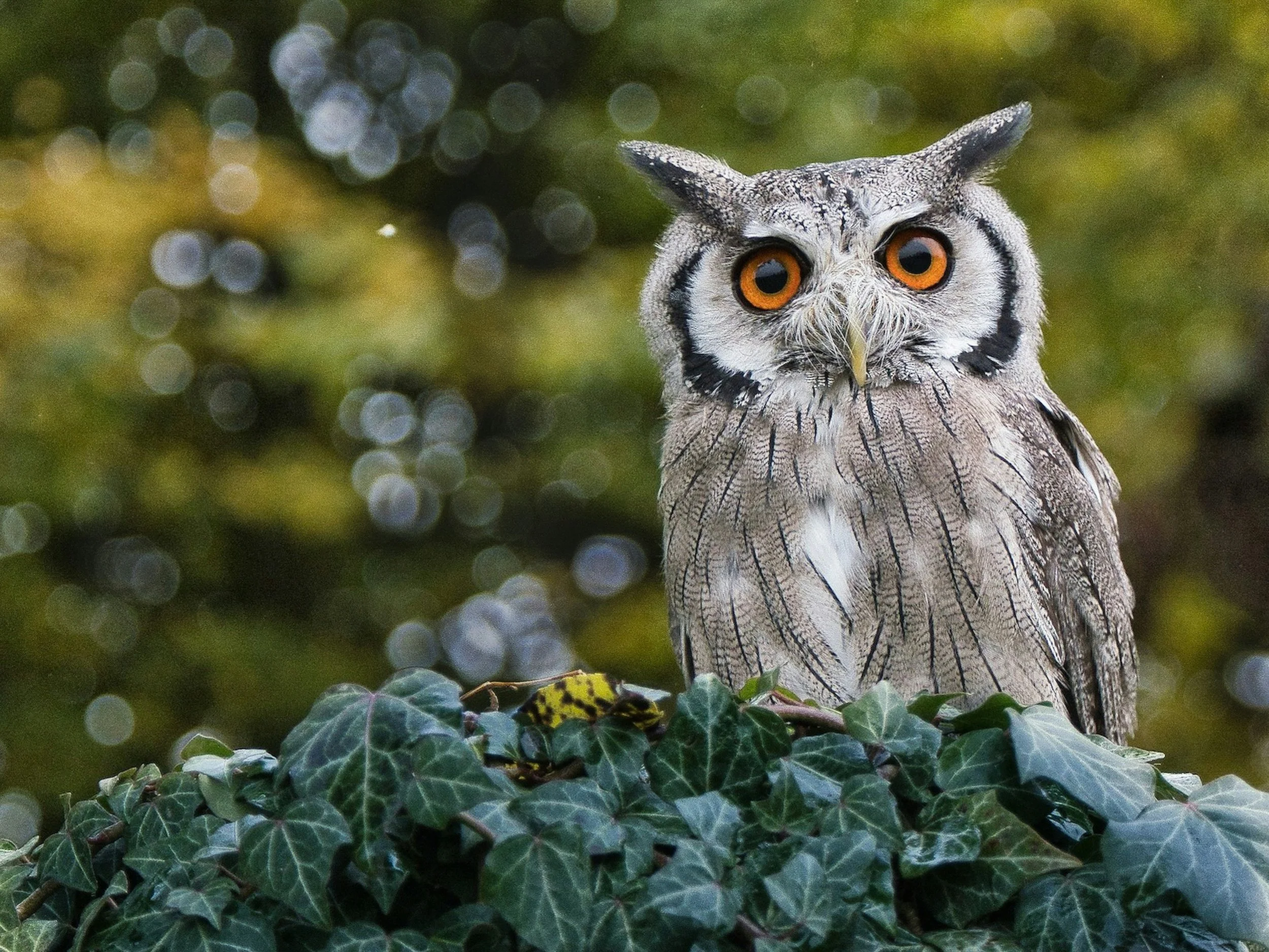
Power animals are a common type of helping spirit
Here’s Tom Cowan, from Shamanism as a Spiritual Practice for Daily Life, on the nature of this shaman/spirit relationship:
Shamanic practice depends on strong, personal, ongoing relationships with helping spirits. The power animals is often a shaman’s primary spirit helper. For most practitioners of core shamanism, the power animal is the guiding spirit that accompanies us on every journey, our major link with nonordinary reality. It can also be a source of information and other kinds of help, but first and foremost it is a guide through the Otherworld. it knows the geography of nonordinary reality and can take us where we need to go for specific information or experiences, such as to other helping spirits, both animal and human, who will become additional teachers in the spirit world.
Building these close, working relationships with helping spirits takes years of dedicated work.
Principle 7: A shaman’s powers come directly from their helping spirits
One of the reasons that a shaman’s relationship with her helping spirits is so important is because, without those helping spirits, the shaman can do little to no healing or divination. It is the helping spirits which bring the power, the healing, the answers, and wisdom.
The shamanic practitioner is, as they say, just “the hollow bone” through which spirit power flows.
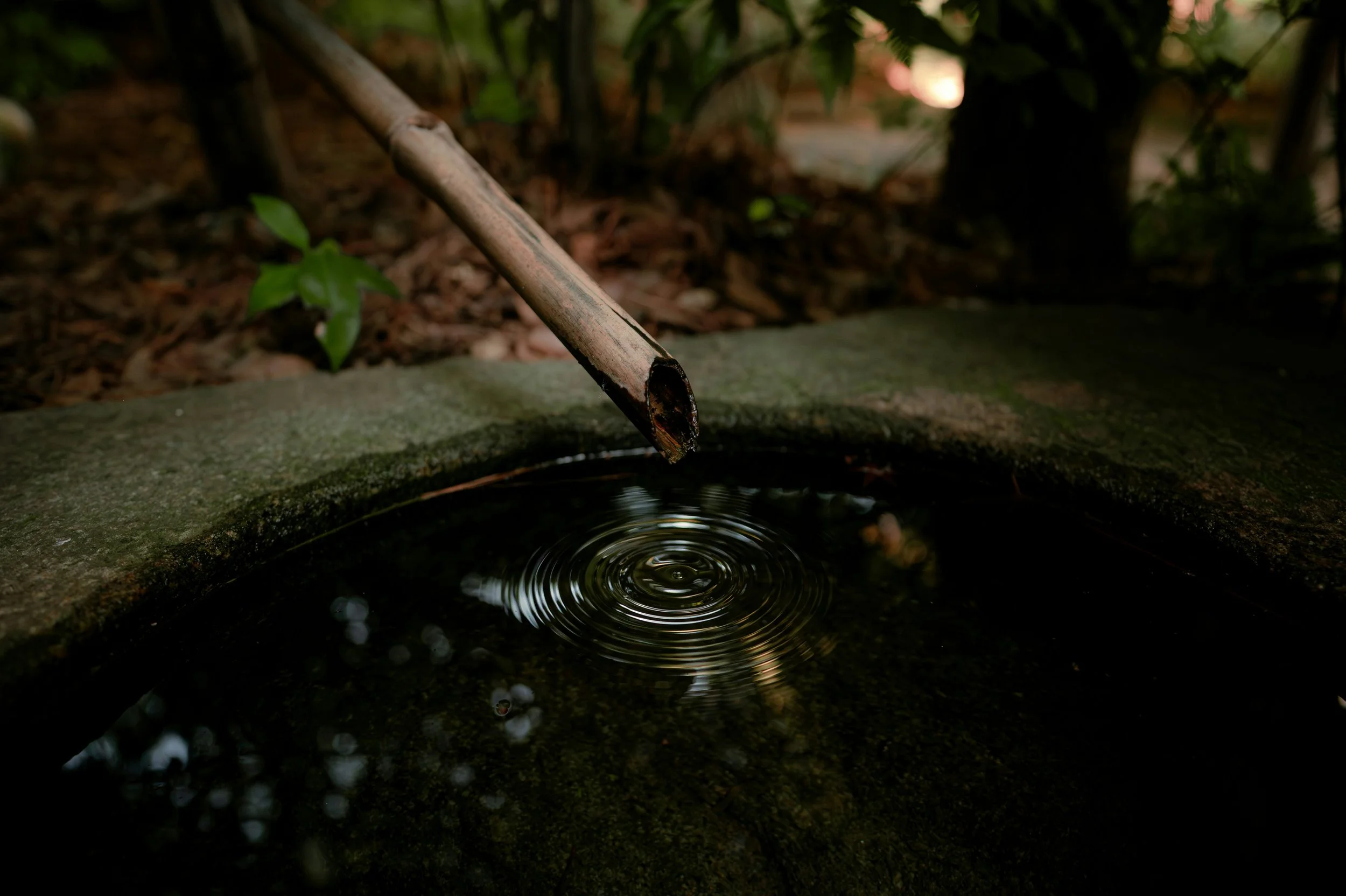
Shamans must learn how to be both spirit vessels and partners
To be an effective conduit for spirit healing and wisdom, a shamanic practitioner must learn how to quiet their ego, live with impeccability, and collaborate effectively.
Principle 8: The primary goal of shamanic work is to support the community
While traditional shamans sometimes live on the outskirts of their societies, that doesn’t mean they aren’t socially-engaged. A core aspect of shamanic work is taking care of the community and making sure the people in your community are living in balance with nature and the larger spirit world.
Shamanic healing and divination are two ways of doing this, but not the only tools a shaman can use. Other activities include psychopomp work, ceremony and ritual, initiations, storytelling, offerings and more.
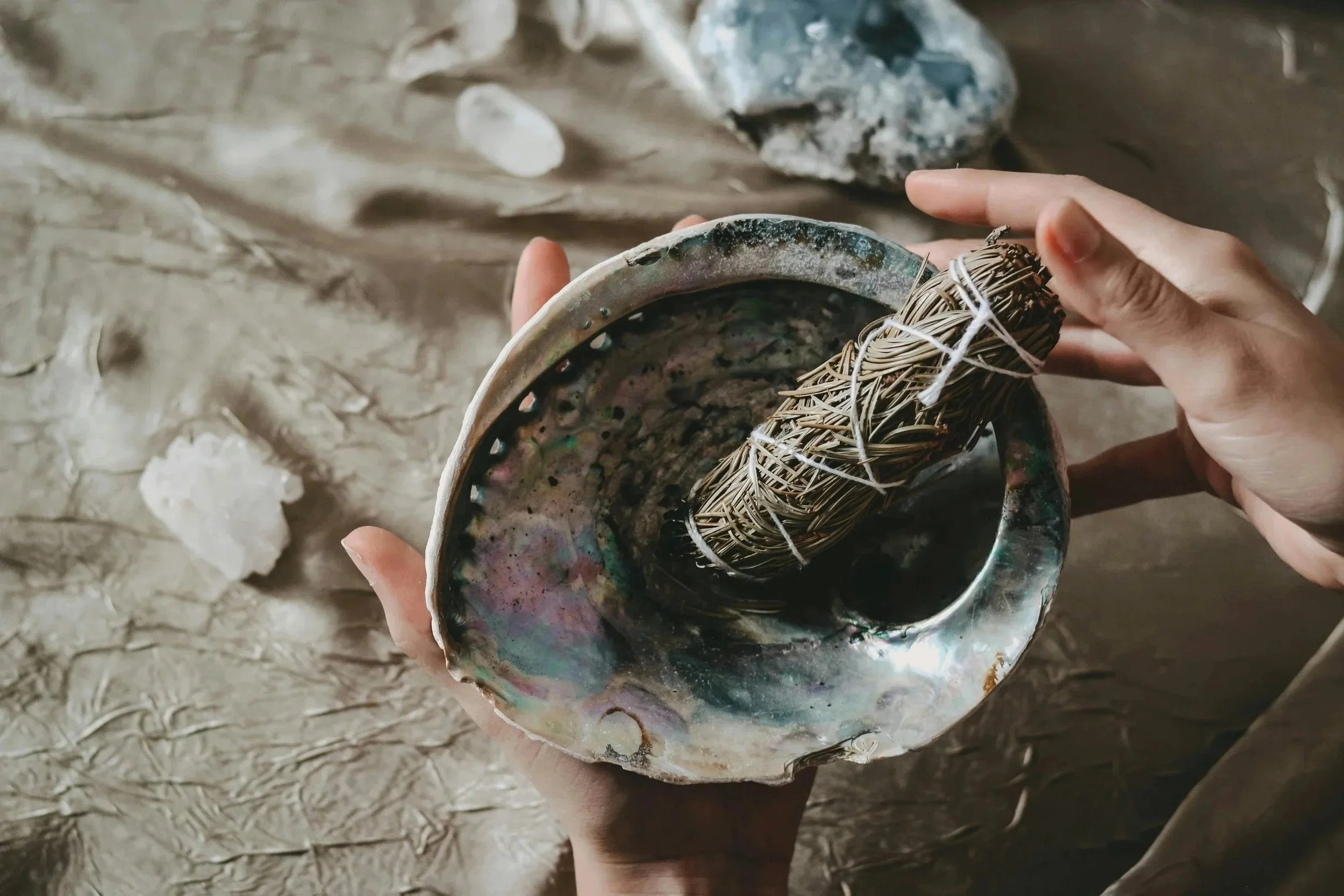
Care of the community is a driving force in shamanism
Of course, as many healers discover, you have to heal yourself before you can heal others.
Inner work is part of the initiation process for shamanic practitioners. The learning, healing and growth never end — even as your shamanic work expands out into the community.
Principle 9: Shamanism is not a religion
While shamanism is a spiritual practice, it is not a religion.
There is no dogma. There are no beliefs that must be taken on faith. There are no “divinely” or politically selected gatekeepers between you and a direct, personal experience of spirit.
You can learn to journey and investigate all of these principles yourself to see if they are true or not.
In addition, shamanism is not set in stone.
Here’s Claude Poncelet on the diversity and fluidity of shamanic practices from The Shaman Within:
Shamanism is not a static, rigid spiritual practice. It is a living, dynamic practice across space and time. Over the centuries, people have adapted their shamanic ways to changing local and regional environmental, social, and cultural circumstances — to the needs of the time — while maintaining the basic principles of sacredness, interconnectedness, and contact with the spiritual dimension of reality. This is evident in the wide variety of the world’s shamanic traditions, and it is seen in the work of the individual shaman: in personal contact, relationship, and collaboration with spirits and the spirit world that is unconstrained by dogmatic rules and creeds.
Discover what is true and valuable for you
Just as shamanic healing can be a powerful complement to traditional medical and mental health services, shamanism can enrich your existing religious beliefs and spiritual practices.
With shamanism, you can explore what is true and valuable for you — as a client or as a practitioner. A lot of healing, wisdom and support is available for you if you’re ready to receive it.
Next steps
To learn more about the shamanic services I offer, visit the Services page.
And to schedule a shamanic healing, book a free consultation or ask a question, you can reach out via the Contact page.
Thank you for reading!