Is shamanism safe?
Learn how to protect yourself as a shamanic client and practitioner.
In this article, I’ll map out what you need to know to keep yourself safe as a shamanic client or as a shamanic practitioner.
But first, allow me to share my favorite answer to this question. It’s from Michael Harner, founder of Core Shamanism, in his book Cave and Cosmos:
Is shamanism safe?
In my opinion, it’s unsafe not to know shamanism. Virtually all humans have unconscious connections with spirits, but the vast majority of Westerners lack conscious knowledge of them and thus fail to employ them to help and protect themselves. In addition, they may use them unknowingly in nonordinary ways that may be harmful to others.

“Virtually all humans have unconscious connections with spirits.”
Another useful angle for looking at the safety of shamanism is to think about walking.
Is walking safe? Yes.
Is walking into traffic safe? No.
So you might say that walking is safe as long as you keep your eyes open and use some common sense. Shamanism is very similar. I’d go farther to say that not only is shamanism incredibly safe, it can also be very nurturing and empowering — both for the client and the practitioner.
Exploring shamanism safely has two components:
Practical, simple steps you should take in your everyday life
Foundational knowledge and habits you should develop for spiritual work
Let’s examine both, starting on the client side.
How to be safe as a shamanic client
Protecting yourself as a shamanic healing client is very similar to protecting yourself when working with any other caregiver or professional. Understanding at least a little about what you’re asking for, doing a little bit of research, and trusting your intuition when something or someone feels off will go a long way to avoid problems before they arise.
Specifically, here are 8 things you can do to keep yourself safe as a shamanic client:
1. Understand what shamanic healing is and isn’t
Shamanic healing addresses mental, emotional and physical problems at their spiritual roots. Shamanic practitioners enter altered states of consciousness to seek healing and guidance for their clients from helping spirits. Here is a good primer on shamanism and shamanic healing.
Note that not all energy work is shamanic. Shamanism explicitly involves both an altered state of consciousness (usually via drumming or rattling) and a collaboration with helping spirits who provide the insights and do the actual healing via the shamanic practitioner.
Further, not all shamanic healers work with compassionate helping spirits. Some practitioners partner on middle world spirits that can have ulterior motives. This can lead to complications with clarity, efficacy, and ethics.
The SAFEST approach is to work with a practitioner who only works with compassionate helping spirits from the upper and lower worlds. If you’re not clear, ask.
In addition, understand that shamanic healing happens at the spiritual level. While some shamanic practitioners do use touch, this is not required. If you are working with a shamanic practitioner remotely, this isn’t an issue. If you’re working in person, they practitioner should clarify if and how they use touch before the session and get your permission.
2. Work with an experienced practitioner
This is a common sense recommendation, but it can be hard to validate. There is no formal vetting or certification for shamanic practitioners. So how can you determine who is experienced?
First, always choose a shamanic practitioner who is clear and open about their training and experience. Mine is listed here.
Be wary of practitioners whose training feels spotty or sketchy. Remember that if a practitioner says “I trained with a shaman in ____”, that’s no guarantee that they actually know what they’re talking about. They may have been fleeced themselves and not even realize it.
Second, understand that “years of experience” is a rough guide at best.
Would you rather have someone with 5 years of dedicated training or 10 years of half-hearted, on-again/off-again dabbling? It’s impossible to really know what went into someone’s years of experience. Know that very, very few shamanic practitioners are full-time.
One of the best way to judge someone’s experience is how clearly and thoroughly they can answer your questions during an initial consultation. In essense, showing their experience vs just talking about it.
3. Choose someone with a clear code of ethics
If a practitioner has thought through and published a code of ethics, it’s much more likely they’re aware of and concerned with your safety as a client.
And of course, read their code of ethics and ask them if you have a question about it.

Always with a practitioner who is clear and upfront about ethics and consent.
4. Work with someone who is very clear and upfront that they don’t provide medical or mental health advice
For example, here’s the disclaimer I use both on this site and during every new client consultation:
Ryan Johnson is not a medical doctor, psychotherapist or formally licensed healthcare provider. Wildwood Shamanism and Ryan Johnson do not provide professional medical or mental health services, diagnoses, treatments or advice. Shamanism is a methodology for supporting the spiritual side of well-being.
This isn’t just fine-print. It’s an ethical issue. Many people turn to shamanic healing after struggling with a physical or mental health challenge for a long time. Sometimes its only after conventional healing approaches have failed that they’re willing to try shamanic healing. As a shamanic practitioner, it’s important to not take advantage of this desperation to get more clients.
The best shamanic practitioners understand that shamanic healing is a great addition to traditional healing approaches — not a replacement for them. As such, they don’t dismiss non-shamanic healing modalities.
5. Be your own advocate
Don’t be afraid to ask questions!
Don’t be afraid to take your time or sleep on a decision.
Don’t be afraid to walk away from someone who gives you weird vibes or doubts.
Put your comfort and safety first. A good shamanic practitioner will be thrilled that you spoke up and adjust to work at your speed, understanding, and comfort level.
6. Beware of shady practices
Here are some “red flags” to look out for when you’re working with a shamanic practitioner:
Demanding money upfront
Insisting you buy expensive packages before they’ve built trust with you and delivered results
Promising they can heal you
Promising they can heal you…for a price
Rushing you through the process (including not having a no-pressure consultation before any work is done)
Not asking for permission to do shamanic work on you or others
Bragging
“Promising to heal you” is a red flag because there are no guarantees in shamanic work. Healing can come in many forms, at many levels, and over time — none of which the shamanic practitioner determines. This is the spirits’ work.
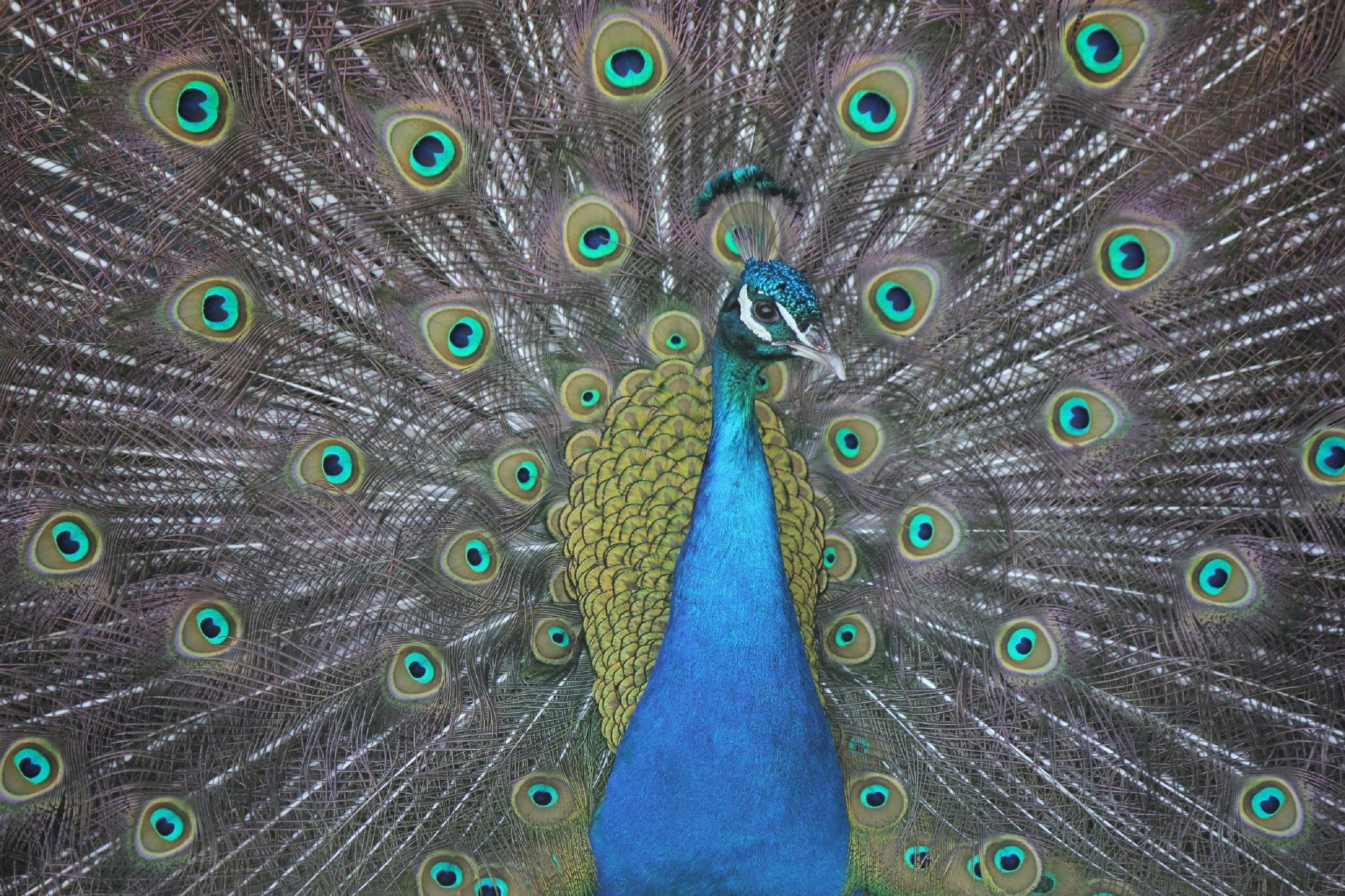
Trustworthy shamanic practitioners don’t brag or show off
7. Beware of practitioners who blend or offer multiple healing modalities
Traditional shamanic work includes shamanic healing, divination, space clearing, and ritual. Shamanic work is powerful on its own.
However, many shamanic practitioners combine this work with all sorts of other modalities. For example, common pairings include reiki, tarot, bodywork, crystal readings, inner child work, past life regressions, hypnosis, sound healing, breath work, aromatherapy, astrology, and mediumship. While there certainly are practitioners who are experts in more than one field, the more modalities a person adds, the less likely they are deeply skilled or powered in any or all of them.
In terms of your safety as a client, selecting a shamanic practitioner who is solely or almost fully focused just on shamanic healing is a good choice.
If you’re not sure, ask about their training and experience in each modality and how they work together.
8. Beware of practitioners who don’t empower you
Finally, good shamanic practitioners seek to empower their clients — not take away their power, authority, or autonomy.
Likewise, the best clients aren’t the ones who perpetually need shamanic healings. They are the ones who use the shamanic healing(s) to gain more independence and better manage their own physical, emotional and spiritual health.
For your safety, don’t give your power, authority, or autonomy to any shamanic practitioner. Even if they perform miraculous healings on you. Your power is yours.

How to be safe as a beginning shamanic practitioner
If you’re beginning to explore shamanic journeying (or are thinking about it), that’s very exciting! You’re at the beginning of a great adventure.
Here are 6 tips which can go a long way to making your beginning experience not only safe, but also more enjoyable.
1. Understand the basics of shamanic journeying before you start
Start with my article on How to Do a Shamanic Journey. This will give you an overview of the process, as well as answer some common questions.
2. Focus on the Lower and Upper Worlds (and avoid Middle World)
The spiritual realms can be divided into three areas. Most shamanic practitioners experience them as being vertically stacked. They are:
The Lower World — A pristine, nature-based realm. This is a safe place filled with trustworthy and compassionate helping spirits.
The Middle World — The spiritual side of our physical, everyday reality. It is a mixed-bag of helpful, neutral, confused, selfish and dangerous beings.
The Upper World — An ethereal, spacious realm. This is a safe place filled with trustworthy and compassionate helping spirits.
I strongly recommend beginners focus on either the Lower World or Upper World because both are safe places. I would wait on journeying to the Middle World until you have a lot of experience in both the Lower World and Upper World.
3. Take an introductory workshop on shamanic journeying or work 1-on-1 with an experienced practitioner
Introductory workshops and 1-on-1 coaching are great ways to get started because both involve experienced practitioners walking you step-by-step through the experience. In addition, you’ll have the support of their compassionate helping spirits — giving you more safety and power.
The Foundation for Shamanic Studies’ beginning workshop on shamanic journeying is excellent. You can take it in-person or online.
I also offer 1-on-1 workshops on how to do shamanic journeying. The advantage of private coaching is that you get more attention, the sessions can be tailored to your unique experience level, you can ask as many questions as you like, and scheduling is more flexible. If you’re interested, reach out to me via the Contact page.
4. Maintain good energy hygiene
To enjoy effective and safe shamanic journeys, it’s helpful, before you start, to make sure that:
You are fully grounded in your body and in-tune with the Earth
You are powered up — not drained, tired or worn out
You have clear boundaries
You are present and have set down (even temporarily) any worries, burdens, or problems that might distract you during a journey.
In addition, many practitioners find it helpful to create a sacred space where they can do their journeys. This doesn’t need to be elaborate. It could be as simple as lighting a candle or burning some incense. Or maybe you have a special blanket you sit on or wrap yourself in just for shamanic journeying. The key is to have a clear and consistent ritual that tells your brain and body that it’s time to shift from your day-to-day bustle to spiritual work.
5. Always journey with your spirit animal
Most introductory workshops include a spirit animal retrieval. This is a classic technique for finding and bringing back a compassionate helping spirit who can serve as a guide, protector and source of strength for you.

Spirit animals come in all shapes and sizes
Nearly all shamanic practitioners offer this as a standalone service, too. That way you can get a spirit animal without having to journey on your own or take a class. (If you’d like me to retrieve a spirit animal for you, you can learn more on my Services page.)
Once you have a spirit animal, you can invite them to join you on your shamanic journeys. They will help guide you, keep you safe, provide wisdom, and offer healing. Journeying with your spirit animal is one of the most fundamental kinds of spiritual protection you can have.
6. Avoid psychedelics
Many people assume that shamanism involves psychedelics. While a small minority of indigenous cultures do use local psychedelics to alter their consciousness, the vast majority do not. Most shamanic cultures — and nearly all modern shamanic practitioners — use drumming or rattling to alter their consciousness.
There are good reason for this:
While journeying via psychedelics can be powerful, those journeys are also almost impossible to control. You have to go through the entire trip, for better or worse, safe or not. When you journey with drumming or rattling, it’s very easy to stop the journey at any time, for any reason. As the practitioner, you are in control and can move at the pace that’s right for you.
Psychedelic journeys tend to be Middle World journeys, which opens you up to Middle World spirits that may not have your best interests at heart. By comparison, when you journey with drums and rattles, you can intentionally go to the Lower World or Upper World, where things are safe.
Traditional, indigenous cultures that do use psychedelics use them in controlled rituals guided by trusted helping spirits and experienced elders. The psychedelics they take are carefully prepared and often contain a mix of ingredients — not just the “well known” psychedelic. For the person using the psychedelic, the event also takes places within a deep, long-standing cultural context — including a cultural relationship with and permission from the plants being used. It’s next to impossible for an outsider to mimic these criteria.
For beginners, I strongly recommend you avoid journeying with psychedelics. Most shamans don’t use them, and they won’t increase the safety or effectiveness of your journeying.
Moving from fear to power
Ultimately, shamanism helps you see and understand the world from the inside out. One definition of the word shaman is actually “someone who sees in the dark”. This access to non-ordinary reality — as well as your connection with compassionate, helping spirits — gives you a deeper, broader perspective on both your life and the world.
Many things you once feared become no longer are scary once you see them for what they really are. Plus, there is much less to fear when you know you have the love, support, and protection of your helping spirits. Personally, I wouldn’t feel safe without mine.
I hope this article was helpful. If you have any questions about staying safe as a shamanic client or practitioner, drop me a line via the Contact page.
Thanks for reading!