How to tell if you need a shamanic healing
First, a quick questionnaire…
How many of the following apply to you?
Do you feel a chronic, consistent, or recurring lack of energy or drive?
Do you struggle with depression, anxiety, fear or other negative emotions?
Do you struggle with recurring medical issues that seem resistant to conventional treatments?
Do you feel that something is just off? That you’re not quite yourself lately?
Do you feel that something is missing?
Do you feel stuck or lost?
Have you recently suffered a traumatic incident, such as an injury, accident, negative life change or loss?
Are you dealing with a string of bad luck?
Is there a difficult or traumatic situation from your past that still bothers you or negatively impacts you?
All of these are traditional signs that you might need a shamanic healing. If you answered “YES” to any of these, shamanic healing could be transformational for you.
In this article, we’ll explore shamanic healing in depth so you can decide if this approach is right for you.
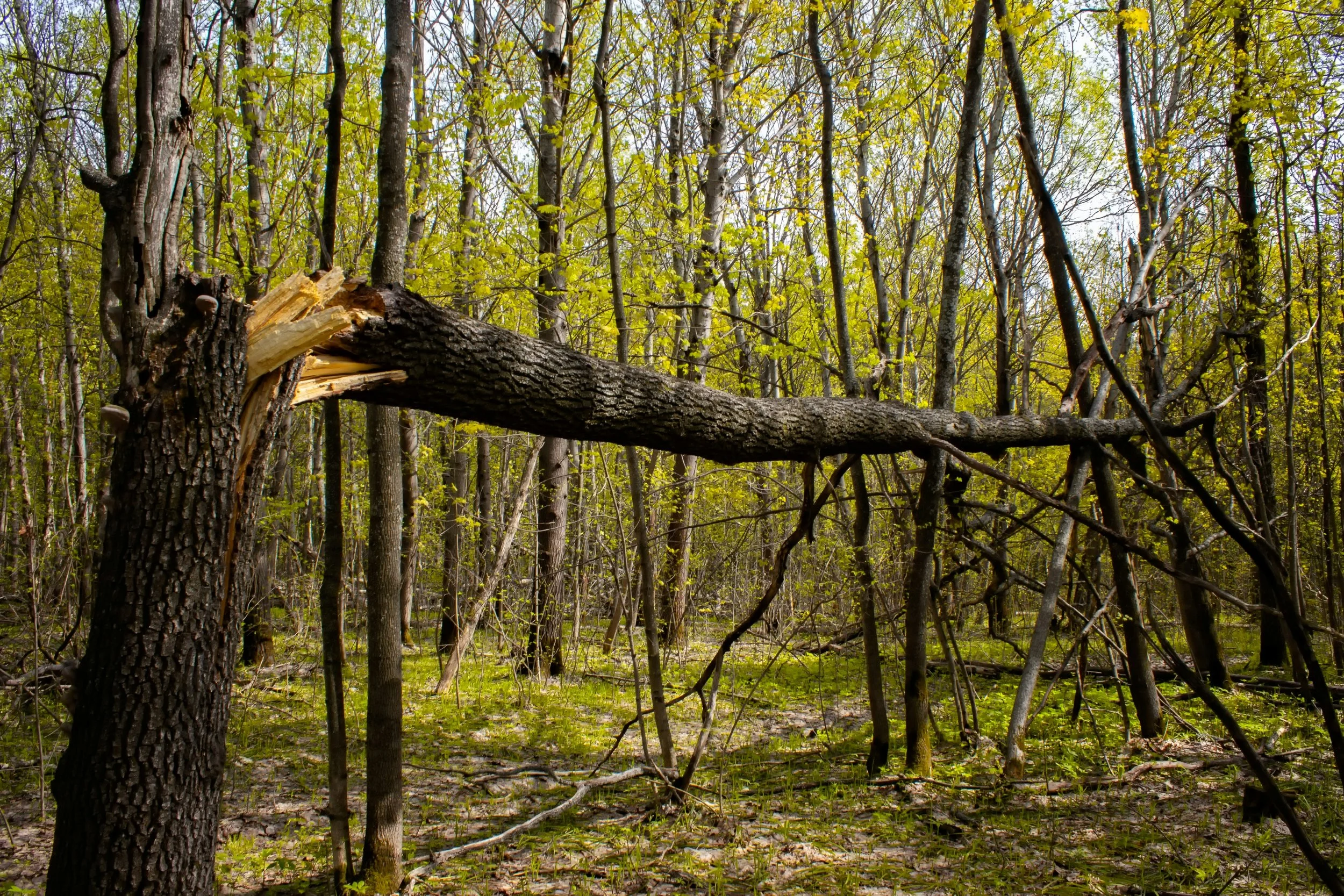
Shamanism adds to your wellness toolkit. It doesn’t replace it
First things first: Shamanic healing is not a replacement for conventional medical and mental health support. It’s a complimentary modality that addresses any issues you’re dealing with at the spiritual level.
I always recommend shamanic healing be paired with common sense medical and mental health support as appropriate.
And likewise, if you’re already receiving medical or mental health support for an issue, shamanic healing may be a powerful support to accelerate or deepen the healing you’re receiving.
What exactly is shamanic healing?
One of the core principles of shamanismis that your physical, mental and emotional health are impacted by your spiritual health. This means that problems at the spiritual level can manifest as problems in your body, your thoughts or habits, and your feelings. Likewise, healing at the spiritual level can enable healing at all of these levels, too. This is the goal of shamanic healing.
To accomplish this, shamanic practitioners seek to address four possible spiritual issues:
Soul Loss
Power Loss
Intrusions, possessions and entanglements
Imbalances
1. Soul Loss
In shamanism, everything is recognized as having soul or spirit. You, me, plants and animals, rivers and mountains, man-made objects, words, ideas, compassionate spirits, unfriendly ghosts, everything.
Soul loss is when a part of your soul separates from the rest, typically due to some kind of trauma or significant stress. For example, the shock of a car accident might be so great that a part of your soul which isn’t ready to face this situation leaves. The soul part might hide someplace in non-ordinary reality that it feels is safer. The soul part might also be stuck in time at the scene of the accident.
Soul loss can leave you feeling incomplete. Many people who’ve suffered soul loss speak of feeling “not quite themselves” or “like something is missing”. When parts of your soul are missing, this can make you vulnerable to intruding spirits and reduce your capacity for confidently and creatively handling challenges in your life.
2. Power Loss
In shamanism, everything is also recognized as having power.
In English, “power” and “energy” are often used interchangeably, but in shamanism the words have different meanings. Energy refers to the kinetic forces that animate and constitute the physical world, like heat, light, motion, friction, calories, and so on. This is the realm of Newtonian physics and chemistry. Power, on the other hand, speaks to spiritual presence and strength. Power isn’t a physical strength or dominating force. It is compassionate, conscious, and healing.
Your soul can be thought of like a battery. How much power does your soul have? Some activities — like time in nature, a spiritual practice, and self-care — can recharge your soul’s power. Other activities — like accidents and trauma, separation from nature, and chronic stress — will drain your soul’s power.
Power loss is the condition where your soul’s inherent power has become problematically low. This can leave you susceptible to unpleasant moods, negative influences, and intruding spirits, as well as make it more difficult for you to stay on your soul’s path.
3. Intrusions, Possessions and Entanglements
If your power is low or you’re missing soul parts, it’s easier for other people, negative energies, and even other spirits to interfere in your life. Intrusions are negative, unwanted energies that get “stuck” inside your soul. You can think of them as splinters or pollution. Possessions are spirits that latch onto a person. On the gentle side, they may just drain your power. On the harsh side, they could influence or even take over a person. Entanglements are typically unconscious connections to people, places, things or ideas. These are like cables tying you to the other. Some entanglements can be positive (like a parent’s connection to their young child) while others can be harmful (like a person’s connection to destructive ancestral patterns).
4. Imbalances
Another type of spiritual issue which shamanic healing can address is spiritual imbalances. In my experience, the most common is being ungrounded. Literally separated, spiritually, from Mother Earth. Another type is an imbalance of masculine and feminine energy. Imbalances are usually addressed after the more serious issues above are healed.

How to know if you need a shamanic healing
The truth is, you probably do need a shamanic healing. Power loss and soul loss are chronic in modern culture. The fast-paced, stressful, materialistic, isolating push of modern culture drives power loss. Most people don’t have the strong spiritual practice and time in nature needed to counteract this.
In addition, most people have suffered soul loss. Often multiple soul losses. And without a cultural framework for recognizing and healing this, many people struggle on and just assume that how they feel is normal.
Combined, power loss and soul loss make us even more susceptible to intrusions, possessions, entanglements and imbalances — further weighing us down.
It’s not normal to feel chronically feel depressed, flat, heavy, incomplete, stuck, lost, afraid or in pain. Yes, everyone feels these from time to time. And everyone faces their own challenges. But lingering or overwhelming problems are a clear sign that you may need support at the spiritual level.
Many people only turn to shamanic healing as a last resort. Every other modality they’ve tried has failed. Now, exasperated, they’re willing to try something new. This is wonderful. It’s a sign of growth to try something new. Often, the reason some issues aren’t resolved by conventional treatments is because the fundamental problem wasn’t physical or mental — it was spiritual.
But there’s no need to wait for last resorts.
Personally, I like to flip this thinking around. I prefer to use shamanic healing readily and regularly. By making sure that power loss, soul loss or any other spiritual problems are not a major problem for me, I feel better and am more equipped to deal with any practical, ordinary reality challenges I face. And I will have fewer challenges overall because I’m not adding the complications of power loss, soul loss and the rest to the mix.
So, do you need a shamanic healing?
Ultimately it’s your call. The questionnaire at the top of this article is a good diagnostic tool.
If you’re not sure, you can contact me and I’ll be happy to advise you.
Common questions about shamanic healing
Here are quick answers to a few of the most common questions people have shamanic healing:
“How do I get a shamanic healing? I don’t know where to start?”
If you want a shamanic healing, you have two options:
You can do a shamanic journey on your own and ask your helping spirits for a healing.
You can work a shamanic practitioner (like me).
Here’s an overview of what happens in a shamanic healing with a practitioner.
“How many healings do I need?”
There is no set number of healings. A single session can change your life, but the best results often come from a series of healings over time. Many spiritual issues aren’t conditions that can be fully healed in one session. Similar to how one massage won’t solve all aches and pains for your entire life. The benefit of a series of healings is that each subsequent healing can work at deeper and deeper levels for more profound and long-term changes.
“Power loss? Soul loss? Intrusion? What if I don’t know the kind of healing I need?”
That’s OK. You don’t need to know. Even if you suspect you need a specific type of healing, the shamanic practitioner should still consult their helping spirits to diagnose what needs to be done.
“How do I know if my healing worked?”
The two biggest signs are:
You’ll feel, think, and act differently.
You’ll have more resources to make better choices.
These changes may be instantaneous, but they may also unfold over time, like a slow shifting in your situation, body and mood.
Next steps
If you have any questions about shamanic healing, let me know here.
If you’d like personal coaching and support, you can schedule a session with me here.
Thank you for reading!